


By Joshua McConnell / Full360 Contributor
Cuboid Nature Aquarium is not just a destination for beginner and experienced hobbyists alike—it’s a vibrant community hub for anyone interested in the fascinating world of aquatic life.
The Pipersville store offers an extensive selection of fish tanks and aquatic plants, we’re ready to cater to your every need, whether you’re starting a new aquarium project or simply exploring the possibilities of “aquascaping.”
Located conveniently right off Route 611, our store is a short 15-minute drive from campus in Pipersville. Owners invite all community members, especially students who are eager to enhance their dorm environments with a beautiful aquarium, to come in, browse, and interact with our knowledgeable staff. The store’s commitment to exceptional customer service is a hallmark of Cuboid Nature Aquarium; we want every customer to leave satisfied, not just with their purchases, but also after engaging in friendly conversations about their interests in aquatic life.
At the helm of this charming establishment is Harvey Fell, the owner and an absolute fountain of knowledge with decades of experience in the sales industry. Those fortunate enough to meet Harvey can benefit from his extensive expertise in aquariums and aquatic care. His passion for fish and plants shines through in every conversation, making him not just an owner but a mentor for many seeking to embark on their aquaculture journey.
As you explore the store, you’ll encounter a stunning array of display tanks, each thoughtfully designed to offer inspiration and stimulate creativity. These vibrant setups serve as perfect conversation starters, allowing our associates to engage with customers about various types of fish, plant combinations, and unique designs they might consider for their own tanks. If a particular display captures your imagination, we offer the option not only for immediate purchase but also commissions for personalized tank designs, crafted to suit your specific desires and living space.
In addition to providing quality products and advice, we host monthly workshops led by our talented store manager and expert tank designer, Madilynne.
These workshops are open to anyone eager to learn more about aquarium setup and maintenance. Whether attendees want to create their own tank to take home or prefer to observe and absorb knowledge, these sessions are designed to cater to all skill levels. Participants frequently leave the workshops with newfound inspiration and the confidence to develop their own aquatic masterpieces.
At Cuboid Nature Aquarium, we’re more than just a store; we’re a community dedicated to fostering a love for aquatic environments and sharing knowledge that enhances the joy of owning an aquarium. We look forward to meeting you soon!
Speaking of the display tanks, here is a quick highlight of the current displays and stocking within.
Display #1
This is our blackwater aquascape, with a large log as its centerpiece. Do not let the dark brown water alarm you; this is actually the goal, as tannins in the water help make the fish inside feel at home and reduce stress. The acidic soft water quality and darker lighting create a tranquil environment, mimicking the natural habitats of many aquatic species. The subdued tones not only enhance the aesthetic appeal of the aquascape but also encourage fish to display their natural behaviors, promoting a sense of security and comfort. Additionally, the presence of floating plants further diffuse light, creating shaded areas that add to the overall serenity of the underwater landscape.

Tucano Tetra

Distribution: Native to the Rio Uaupés in Brazil.
Care: Prefers acidic, soft water (pH 4.5–6.5) and temperatures of 75–80°F. Keep in groups of 6 or more.
Fun facts: One of the smallest tetras in the hobby, rarely exceeding 0.75 inches. Thrives in heavily planted tanks with subdued lighting. Our customers love seeing these bright yellows flash in the tank.
Keyhole Cichlid
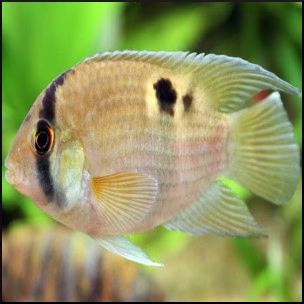
Distribution: Found in slow-moving rivers of Venezuela, Suriname, and Guyana.
Care: Peaceful for a cichlid, does well in community setups with soft, slightly acidic water (pH 6.0–7.0). Grows to 4–5 inches.
Fun facts: Known for their shy, gentle nature and the dark keyhole-shaped blotch on their sides. They form monogamous pairs and are attentive parents.
Display #2
This is one of our jungle-style nano-aquariums. Densely vegetated and shallow, this setup provides ample coverage for its inhabitants among its tangled driftwood and a variety of vibrant plants, creating a miniature ecosystem that mimics a natural habitat. This is not only enhance its aesthetic appeal but also to support the health and well-being of the fish, making it a perfect showcase for both aquatic enthusiasts and casual observers alike. Roman, one of our store associates loves to point out this tank’s unique inhabitant, the toothpick fish. Claims “It’s the coolest in the store”

Toothpick Fish

Distribution: Found throughout slow-flowing rivers in South America, especially the Amazon Basin. Closely related to seahorses and other pipefish.
Care: Algae grazers that need clean, well-oxygenated water. Peaceful and best kept with non-aggressive tankmates.
Fun facts: Their twig-like appearance helps them camouflage perfectly among roots and driftwood.
Chili Rasbora

Distribution: Native to the peat swamp forests of Borneo.
Care: Extremely peaceful; do best in groups of 10 or more. Prefer warm (75–82°F), acidic water with lots of cover.
Fun facts: Tiny and brilliantly red, they’re one of the most colorful nano fish available. Males become intensely colored when displaying.
Coral Red Pencil Fish

Distribution: Endemic to the Amazon River in Peru.
Care: Peaceful, top-dwelling fish that do best in groups. Like subdued lighting and floating plants.
Fun facts: Males develop vibrant red coloration and perform flashy displays to attract females or assert dominance.
Display #3
This scape’s vision, according to Madilynne, was to primarily house her favorite assortment of freshwater gobies, as well as replicate a riverbed environment that would evoke a sense of tranquility and natural beauty. Utilizing a thoughtfully curated mix of yellow sands and textured rocks, this scape not only highlights some of the more unique and exciting fish we carry in-store but also creates a vibrant ecosystem that encourages the gobies to exhibit their natural behaviors. The careful arrangement of each element lends itself to a stunning visual appeal, while providing optimal conditions for the well-being of the inhabitants, making it not just an aquatic display, but a habitat that reflects the essence of a serene riverbed. Through ongoing maintenance and attention to water quality, Madilynne aims to ensure this underwater paradise thrives with life and color, captivating the imaginations of all who encounter it.
Threadfin Rainbowfish

Distribution: Northern Australia and New Guinea.
Care: Extremely peaceful. Males display beautiful elongated fins when kept in harems. Need excellent water quality.
Fun facts: Known for their delicate beauty, they are active midwater swimmers and prefer a calm tank to avoid fin damage.
Purple Harlequin Rasbora

Distribution: Found in Borneo, Sumatra, and southern Thailand.
Care: Peaceful schooling fish that do best in large groups. Like soft, acidic water and planted tanks.
Fun facts: Males develop intense coloration during courtship. They’re popular for their iridescent body pattern and hardy nature.
Gold Laser Corydoras

Distribution: Upper Amazon Basin, especially Peru.
Care: Peaceful bottom-dweller that thrives in groups. Prefers soft, oxygen-rich water with a sandy substrate.
Fun facts: Named for the golden stripe down their backs. They’re playful and often seen “dancing” in small groups.
Banded Goby

Distribution: Mountain streams in Indonesia and Papua New Guinea.
Care: Need clean, fast-flowing water with lots of oxygen. Primarily algae and biofilm grazers.
Fun facts: Males are brilliantly colored during breeding. These gobies often climb vertical surfaces using their fused pelvic fins.
Check out my Instagram @hcnightcrawler for more short videos and informative posts on these amazing fish adn displayts